

Great Barrier Reef
Experience A Natural Wonder Of The World
The Great Barrier Reef, a World Heritage-listed site, is one of the world's seven natural wonders. It is also the largest living structure on Earth. The marine park that encompasses the reef and its various ecosystems runs along the Queensland coastline.
Reef Experiences
The Whitsundays sits in the heart of the Great Barrier Reef. Snorkel fringing reefs close to the islands, dive the outer reef at Hardy Reef, or see it all from above on a scenic flight.


Shaped by nature. Shared by us.
Travellers Tips
How do you reach the outer reef? What's the difference between fringing and outer reef sites? When's the best time for visibility? Whatever you need to know about experiencing the Great Barrier Reef, we've got the answers. Scroll down further for more in-depth local knowledge.


Outer Reef vs Fringing Reef
The Great Barrier Reef features two main types of reefs: fringing reefs and outer reefs. Fringing reefs are located close to the islands, with slightly murkier water and resilient corals, making them perfect for short snorkel stops during island and sailing trips. Outer reefs are situated further offshore in clearer waters, boasting larger coral gardens, diverse fish populations, and generally better visibility.
Outer Reef vs Fringing Reef
The Great Barrier Reef features two main types of reefs: fringing reefs and outer reefs. Fringing reefs are located close to the islands, with slightly murkier water and resilient corals, making them perfect for short snorkel stops during island and sailing trips. Outer reefs are situated further offshore in clearer waters, boasting larger coral gardens, diverse fish populations, and generally better visibility.


Reaching The Outer Reef
Outer reef sites are in deeper waters beyond the islands and are accessed by pontoons or moorings, like Hardy Reef's Reefworld pontoon. Tours to the outer reef usually depart early in the morning from Airlie Beach (around 7-8am) and return late afternoon (around 5-6pm), with the boat trip lasting approximately 2-3 hours each way in the great barrier reef marine park. Once there, visitors can enjoy several hours of activities such as snorkelling, diving, and viewing the reef through semi-submersibles or underwater observatories.
Reaching The Outer Reef
Outer reef sites are in deeper waters beyond the islands and are accessed by pontoons or moorings, like Hardy Reef's Reefworld pontoon. Tours to the outer reef usually depart early in the morning from Airlie Beach (around 7-8am) and return late afternoon (around 5-6pm), with the boat trip lasting approximately 2-3 hours each way in the great barrier reef marine park. Once there, visitors can enjoy several hours of activities such as snorkelling, diving, and viewing the reef through semi-submersibles or underwater observatories.
Iconic From Every Angle
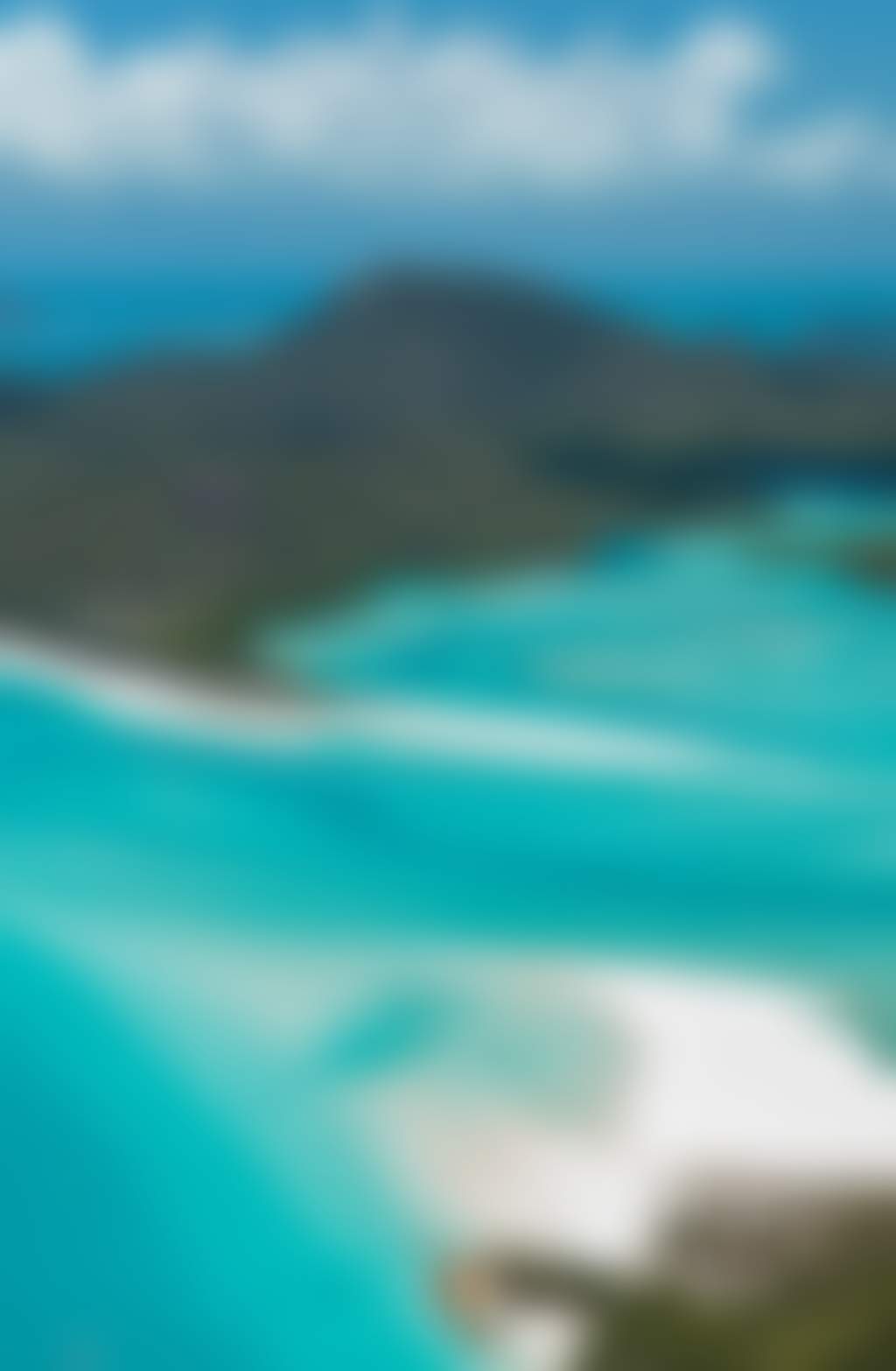
Seen from the air, the reef forms curves and channels that change with light and tide. At water level, you’ll find coral, marine turtles and schools of fish in calm, warm shallows. Choose to fly, cruise, snorkel or dive the Great Barrier Reef.

Destinations of the Great Barrier Reef
Sign up for our latest deals, events, specials & secrets!